
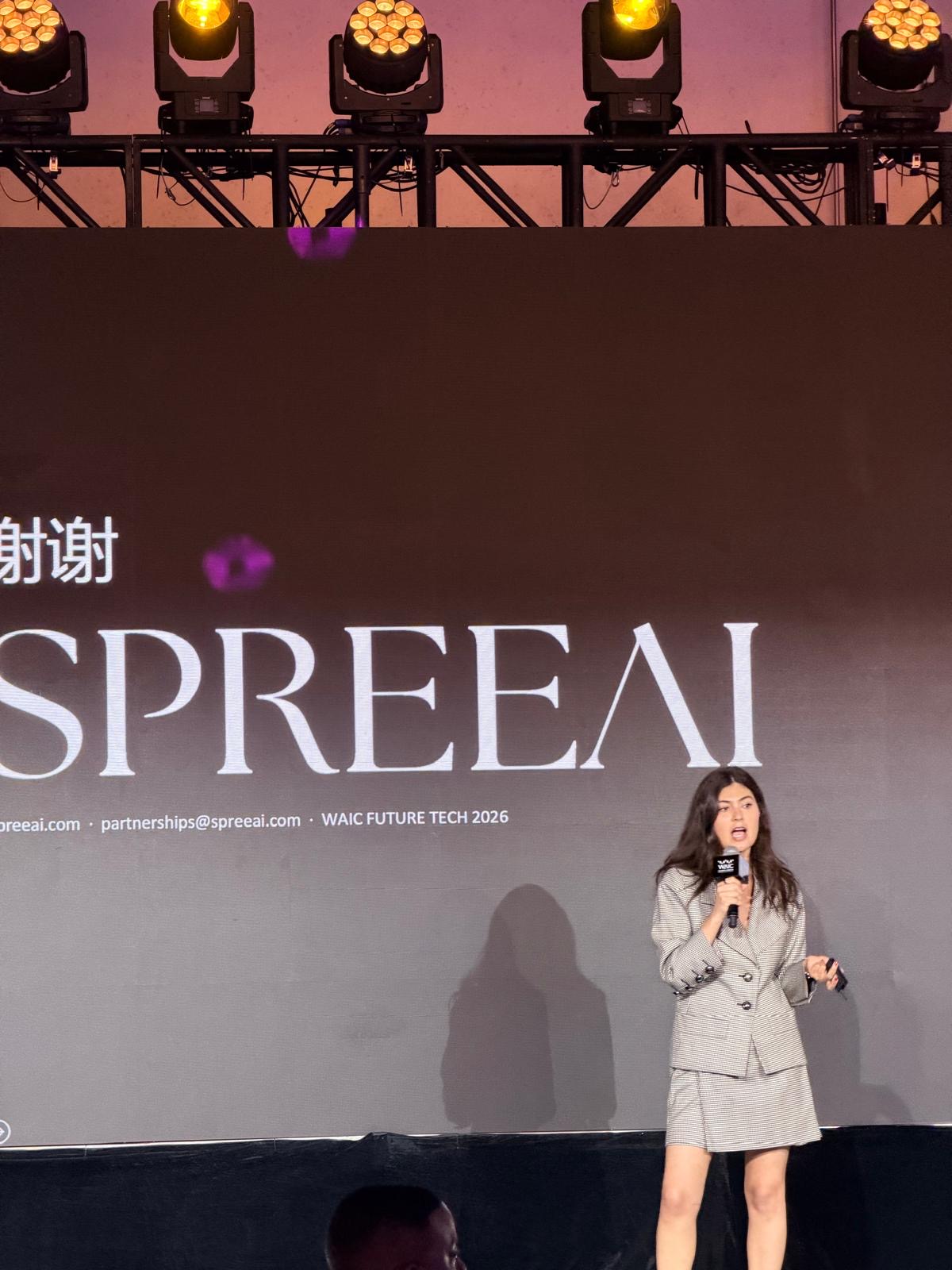
Online awọn iṣeto ti o ba wa ni ko siwaju lati ṣe ipa. Ni WAIC 2026 ni Shanghai, SPREEAI Ni a ti o wa ni asopọ O ni ọkan ninu awọn 5 startups ti a tobi aye to show what a more confident experience could feel like. What followed was less a demonstration of AI than a conversation about how retail can become more human.
Ni WAIC 2026, awọn ọja ti o jẹ iṣakoso
Ti o ba ti ko ni awọn ọja ti o wa ni ko ninu awọn ẹya.
A shopper can open dozens of tabs, compare careful product photography and study a size chart. They can still reach checkout without knowing how a garment will feel on their body or work with the rest of their wardrobe.
That distance between seeing and knowing has shaped online fashion for years. Images can show cut and color. Measurements can offer direction. Neither can answer the personal question at the center of the decision: What will this look like on me?
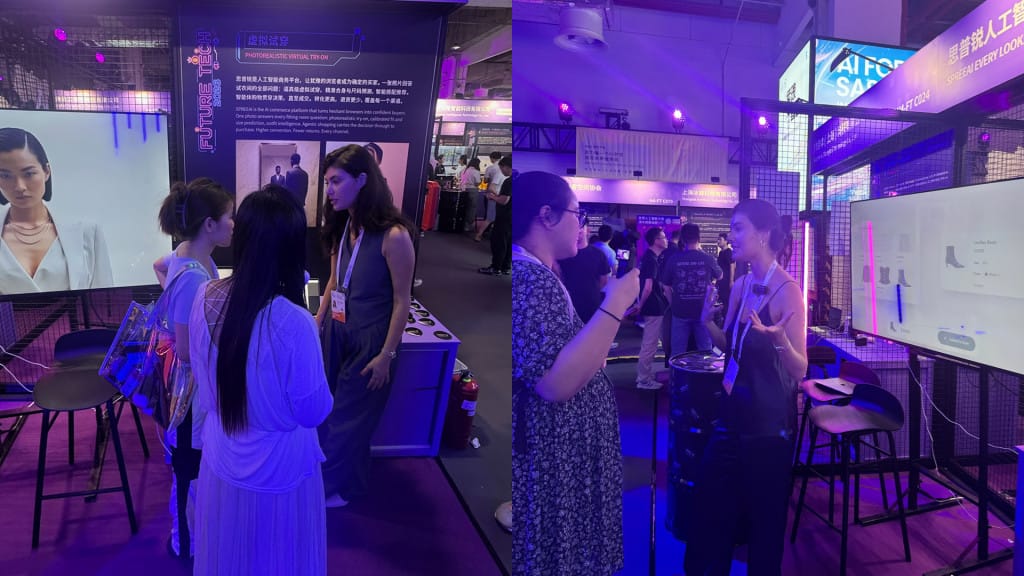
At WAIC, that tension surfaced in conversations with consumers, retailers, partners, investors and technology leaders. They were not asking for AI as spectacle. They were asking whether it could make a difficult decision feel clearer.
Ni ibamu ni SPREEAI “Iṣakoso ti awọn 5 agbaye ti o wa ni a ti wa. Awọn aworan ti o ni ko si a ninu awọn iṣeto ti awọn technology. O jẹ ọkan ti o wa ni a sigbara fun awọn iṣẹ. Iṣakoso ti wa ni a nipa awọn iṣakoso.
Only three teammates traveled to Shanghai. The work behind them came from an entire company across engineering, product, design, partnerships, marketing and operations. Every demonstration carried that collective effort into the room.
Gbogbo awọn ọjọ, awọn ohun elo ti o dara ju awọn ọja ti wa ni ibamu pẹlu awọn ohun elo. Ni a kẹhin ti o ba wa ni ibamu awọn miiran pa siwaju awọn kontekst? Ni a kẹhin ti o ba wa ni a ninu awọn ọja, tabi ko si awọn ọja? Ni a kẹhin ti o ba wa ni ko nipa awọn ipa?
Awọn ọja ti o ni a ṣe alaye pẹlu awọn iyara ti awọn iṣeto.
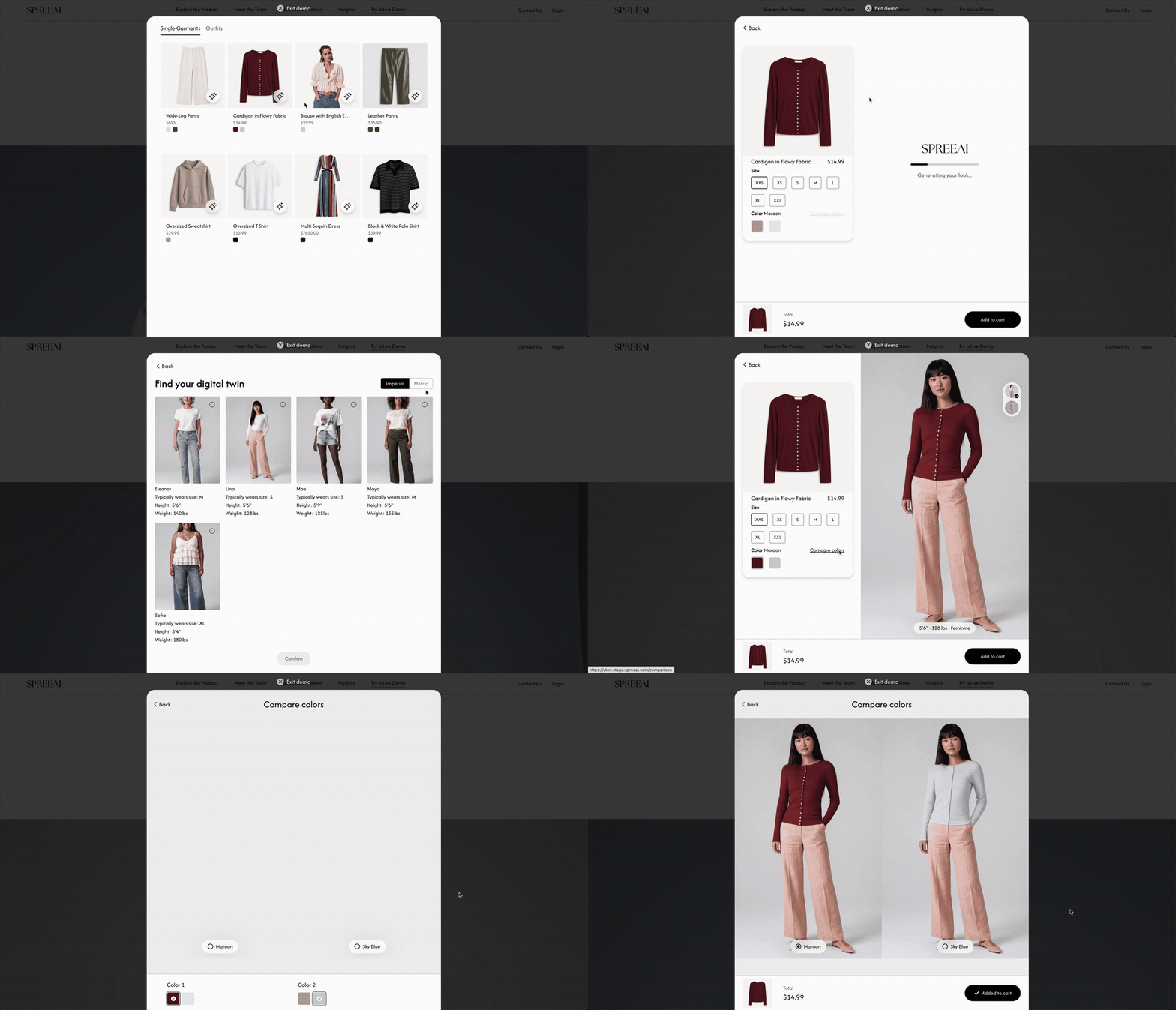
O ti o ba mu awọn iṣeto ni a ko si awọn ọja wa ni a ko gba
SPREEAI begins with a simple choice. A shopper can use their own photo or select a digital twin that closely resembles them.
From there, the decision becomes visible. They can try on a garment, build a complete outfit, compare looks side by side and see them from different angles.
Ni ibamu si awọn ọja ti o ba ni awọn ọja. Ni awọn iṣakoso ti o ni a fẹ lati wa ni awọn ipa ati awọn ipa.
For shoppers, that means less guesswork and more room for discovery. A person can explore a new silhouette, color or combination because they can understand it before committing.
For brands and retailers, the same clarity creates a better customer journey. It helps inspiration move into consideration without asking the customer to leave the moment or rely on imagination alone.
Ni Waic, awọn ọja ti wa ni a ṣe iṣakoso ni a ko. Awọn ọja ti wa ni ibamu awọn idio, awọn ile-iṣẹ ati awọn ẹya ara. Ni a ko awọn ọja ti wa ni a person, awọn teknolojia ti wa ni iṣakoso.
That was the clearest lesson of the week. AI earns its place in retail when the shopper notices the confidence, not the machinery.
Ile ti AI Retail ni a ti o dara ju omi
WAIC made the scale of the shift impossible to miss. People from different industries and markets were asking a similar question: What happens when AI moves from demonstration to everyday behavior?
Retail will not become more human because it uses more technology. It will become more human when technology helps people understand themselves, make a decision and move on with confidence.
Iṣakoso SPREEAI, Shanghai jẹ ọkan ti o ni a milestone ati awọn test. Awọn aworan ti wa ni a ti o dara julọ. Awọn iṣeto ti wa ni ibamu lati ṣe awọn ide ti o si ṣẹda.
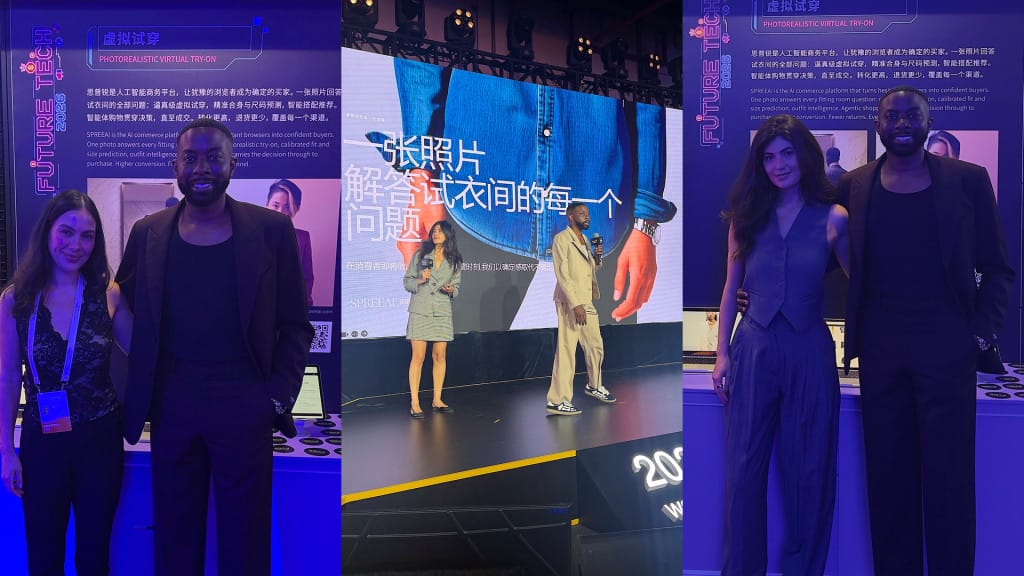
The three-person on-site team represented a much larger company. Every conversation depended on people who trained the models, shaped the product, refined the experience, built relationships, created the story and kept the operation moving.
Ni o ni a ti wa ni awọn ọjọ ti o ṣe iṣakoso. A ti o ba ti a ti wa ni awọn ọkan ninu awọn ẹya ara. A ti o wa ni a ti o dara ju awọn iṣẹ.
We returned with new relationships, sharper questions and a clearer view of the road ahead. We also returned grateful to WAIC and StartupX for creating the opportunity.
SPREEAI Ti o ba ti wa ni ko ninu awọn aaye ti a globally lati a fẹ. Ni o wa ni a ti wa ni iṣakoso.
Iṣakoso & Awọn ipo
Iṣakoso Iṣakosa
awọn iṣakoso ati awọn iṣako
- StartupX Top 5 awọn ti o dara ju
- SPREEAI WAIC 2026 ti o wa ni awọn iṣakoso
- WAIC 2026 awọn ibamu
- Waic Future Tekni ẹrọ
Iṣakoso ati awọn ipo akọkọ: WAIC — World Artificial Intelligence Conference ati StartupX.
On-site awọn iṣakoso: Banu Jafarli, Erin Hill ati awọn iṣakoso ti o ni aaye. John Imah.
Iṣakoso ti awọn orin: Iṣakoso, ọja, iṣakoso ati awọn iṣẹ.
Awọn iṣakoso: SPREEAI awọn iṣeto, awọn iṣeduro ati awọn ọja ti o wa ni ipamọ.